Visceral Manipulation Therapy
- Home
- Visceral Manipulation Therapy
Massage Stone Wellness Reno
Visceral Manipulation Therapy In Reno NV For Relief
If your body feels “off” in a way you can’t quite explain, you’re not imagining it. Sometimes it’s not just muscles being tight. Your organs and the connective tissue around them can hold tension, too. That can show up as a belly that stays braced, breathing that feels shallow, or a nagging pull that keeps dragging you back to the same discomfort.
This work stays gentle. No forcing. No rough stuff. We use our hands to listen, feel, and guide your system back toward easier motion. Some sessions feel subtle, like your body finally unclenches. Other times it’s obvious, like you can stand taller or take a deeper breath without thinking about it. Either way, the aim is simple: help your body move and function with less strain.
What Visceral Manipulation Therapy actually means
Inside your body, your organs aren’t fixed like furniture. They move with every breath, every step, every twist. They’re supported by a web of connective tissue called fascia. Each organ is covered in fascia, and that fascial layer helps organs glide and shift as they should.
When that tissue gets sticky, tight, or pulled, it can restrict normal movement. This may happen after surgery, chronic stress, or visceral dysfunction. Once things stop gliding well, your body compensates. It might brace through the core, change posture, or hold tension in the low back, ribs, hips, or neck.
Visceral fascia also supports the musculoskeletal system. It helps keep organs positioned, supports their movement, and maintains pathways for blood vessels, nerves, and lymph flow. When the fascial system loses its normal mobility, the whole body can feel like it’s working overtime.
Visceral manipulation uses gentle, specific hand contact to encourage normal activity, tension, and movement in the organs and surrounding fascia. Our goal is to support organ function and help the body integrate as a connected system, not as isolated parts.


How Visceral Manipulation Feels In Real Life
- “My stomach always feels tight, even when I’m relaxed.”
- “I feel a pulling sensation after surgery.”
- “My back keeps acting up, and I can’t figure out why.”
- “I can’t take a full breath into my belly.”
- “Stress hits my gut first, every single time.”
What To Expect In A Visceral Therapy Session


Who Visceral Manipulation Therapy Helps Most
- Easier breathing and less bracing through the abdomen
- Smoother movement through the spine, ribs, and hips
- Less “tugging” or stuck sensation in the belly area
- A calmer internal feeling, like your system is not on high alert
- Better body awareness so you can catch tension early
Some folks notice changes right away. Others need a few sessions for the body to trust the shift and hold it.
Pricing And Session Lengths
You’ve got two options, depending on how much time you want to give your body that day.
Session choices:
- 60 minutes: Original $125, Today $115
- 80 minutes: Original $155, Today $145
Massage Stone Wellness Reno
How Your Reno Visceral Therapy Is Personalized

Preparing For Your Reno Visceral Therapy Session
You get practical support built around real Reno schedules and real stress, so sessions fit life without becoming another chore.

Body Mapping To Target Visceral Pain Relief
We track patterns with you with each visit, so you notice clearer progress, fewer flare-ups, and more confidence about what your body needs.
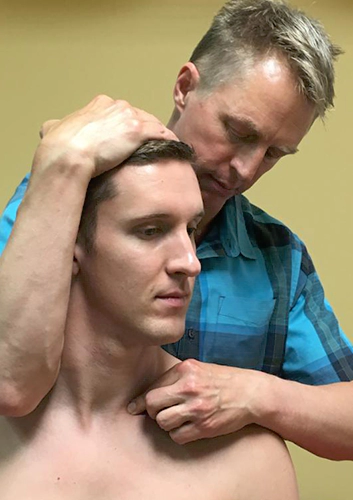
Tracking Your Visceral Therapy Progress Over Time
With visceral manipulation therapy in Reno, NV, you leave with simple next steps that help changes hold longer, even when your week gets hectic.